
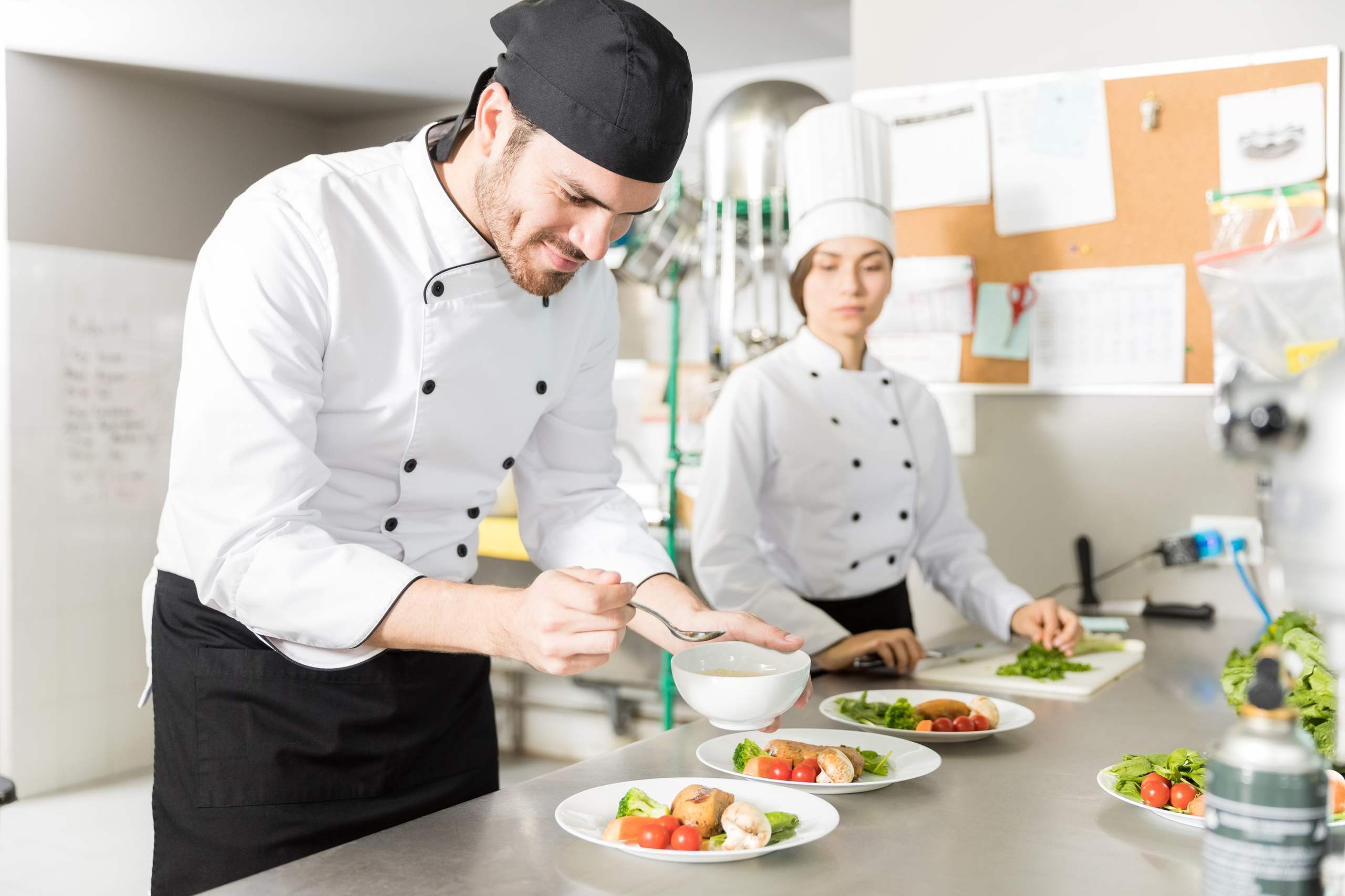
Guests often see only the outcome when they arrive at a restaurant: an attractive setting, a smiling host, quick service, and visually appealing food. What they miss is the machinery behind the scenes that drives it all. Great restaurant service is not haphazard, but a carefully designed system of training, teamwork, communication and rhythm that is executed on a minute-by-minute basis.
Grasping the workings of this system is crucial to anyone aspiring to work in hospitality. It is not merely delivering food; it is delivering a seamless experience to each guest, even during high-volume periods.
Service Is a System, Not Just a Series of Tasks
Some people who are new to the industry assume that working in a restaurant consists of discrete activities: taking orders, serving food, clearing tables. In fact, good restaurant service is a unified system in which each task hinges on the coordination and precision of the others.
When one task is delayed, the service delivery for the entire guest party slows, so restaurants must be staffed by teams that move in lockstep. In fact, each team member has a designated task, and that task is tied to the subsequent one in the overall service flow.
Mastering Timing Is a Critical Skill
In the world of restaurant service, timing is often even more important than speed. The idea is not necessarily to do things as quickly as you can, but to do them when you are supposed to.
For instance, bringing a plate of food to the table too early or too late will spoil the guest experience, as will the exchange of information between dining room and kitchen staff. In short, timing means the food is served while it is still hot, orders come through efficiently, and guests get service without having to wait longer than necessary.
It is a skill that improves with practice, yet its beginning is knowing how service is delivered.
Communication Makes Service Flow
Good restaurants need their team members to be able to communicate with each other clearly. Servers, cooks and management must be able to exchange information quickly and accurately to fulfill a given role.
A breakdown in communication could mean wrong orders, long wait times and chaos during peak service times, which is why restaurants rely on professional waitstaff who have developed clear, succinct verbal communication protocols to prevent problems and sustain operations.
Even a small word or action can have a great impact on how well the service run proceeds.
The Guest Is the Center of Attention
Everything at any given restaurant happens with the guest in mind. The manner in which they greet customers and serve meals is all intended to make the guest feel comfortable, welcomed, and appreciated.
Great service is not just efficient, it is courteous as well. A positive attitude, a keen eye for detail, and the ability to stay cool in stressful situations all add up to a positive guest experience.
Guests may not recall exactly what they ate, but they will always remember the manner in which they were served.
Training Transforms Novice Into Master
It does not happen overnight for anyone to become an outstanding restaurant worker. Serving in a restaurant is a skilled profession that demands training, practice and repetition.
Training helps inexperienced restaurant staff familiarize themselves with how a restaurant operates, how to deal with a number of real-life situations, and gain confidence in a high-stress setting. It also reinforces behaviors that can increase performance over time, such as multitasking, communication, and attention to detail.
Which is why it is important that training programs in the restaurant and hospitality sectors emphasize practical learning.
The Final Word
Restaurant service is much more than handing out plates of food; it is a well-oiled system of timing, communication and coordination. When it is all in place, the guest has a smooth and memorable dining experience.
And for anyone embarking upon a career in hospitality, that is the beginning of the way to becoming a professional, self-assured, hospitality service person.